Queenstown Road SW11 Removals Guide for First Time Movers
If you are moving for the first time on or around Queenstown Road SW11, it can feel like there are fifty small decisions before you even reach moving day. What size van do you need? When should you start packing? How do you avoid the classic last-minute panic of finding a kettle cord, your passport, and a box of random cables all in the same room? This Queenstown Road SW11 removals guide for first time movers is designed to make the whole process calmer, clearer, and a lot more manageable.
Queenstown Road sits in a busy part of southwest London, so first-time movers here often need to think about building access, parking, lift timings, and whether the move is a flat, house, or shared property. In other words, the move is not just about carrying boxes. It is about planning a smooth route from one home to another without wasting time, money, or energy. Let's make it practical.
Expert summary: The best first move is usually the simplest one: plan early, pack in stages, confirm access details, choose the right removal service for the property type, and keep essentials separate. That alone removes a huge amount of stress.
Table of Contents
- Why Queenstown Road SW11 removals guide for first time movers Matters
- How Queenstown Road SW11 removals guide for first time movers Works
- Key Benefits and Practical Advantages
- Who This Is For and When It Makes Sense
- Step-by-Step Guidance
- Expert Tips for Better Results
- Common Mistakes to Avoid
- Tools, Resources and Recommendations
- Law, Compliance, Standards, or Best Practice
- Options, Methods, or Comparison Table
- Case Study or Real-World Example
- Practical Checklist
- Conclusion
- Frequently Asked Questions
Why Queenstown Road SW11 removals guide for first time movers Matters
First-time movers tend to underestimate the number of moving parts involved. A box is never just a box. It may need to be carried down stairs, loaded into a van, protected from rain, then unloaded into a room that is not yet ready. Add in Queenstown Road's mix of apartments, terraces, and busy roadside access, and the small details matter even more.
This is where a local removals guide becomes genuinely useful. It helps you think beyond the obvious packing work and into the bits that cause the real headaches: access, timings, parking, lift availability, fragile items, and how much help you actually need. If you are moving for the first time, those decisions can feel oddly personal and oddly stressful at the same time. To be fair, most people only learn what matters after they have already made a mistake once.
The practical value here is simple: better planning means fewer delays, lower risk of damage, and less emotional drain. And in a London move, time really does become money. A van waiting outside because a lift is booked or a door code was forgotten can throw off the whole day.
It also helps to know what kind of move you are dealing with. A compact flat move is usually very different from a family house move, and a first-time mover may need more support than they expect. If your move is modest in size, a man and van service can be a sensible fit. If you are moving a whole property, a fuller home moving service or house removals approach may be better.
How Queenstown Road SW11 removals guide for first time movers Works
At its core, a first-time removals process is a sequence: assess, plan, pack, confirm, move, settle. Simple on paper. In real life, there are always a few extra steps hiding in the corners.
Here is how the process usually works for a Queenstown Road move:
- Assess the property. Decide whether it is a flat, maisonette, shared house, or larger home, and note stairs, lifts, entry codes, and loading access.
- Choose the right service. A smaller load may suit a removal van or man with van option, while bigger jobs may need a larger team and vehicle.
- Build a packing plan. Start with non-essential items first. Books, decor, spare bedding, seasonal clothes. Leave daily essentials to the end.
- Book and confirm. Share move dates, pick-up and drop-off addresses, any restrictions, and building access details early.
- Prepare for moving day. Keep paths clear, protect floors if needed, and set aside documents, keys, chargers, medication, and snacks.
- Unload and settle. Direct the crew or helpers room by room so you do not end up with three mystery boxes in the hallway. We have all seen that scene.
Some moves also need temporary storage, especially if your new place is not ready or your completion timings do not line up neatly. In that case, a storage solution can bridge the gap without turning your belongings into a pile in someone's spare room.
One other point worth saying plainly: removals are not only about transport. They are about coordination. A good moving plan reduces physical effort, but it also cuts the mental noise that comes with moving into your first place.
Key Benefits and Practical Advantages
For first-time movers, the biggest benefit of using a structured removals approach is confidence. You know what happens next. You know what needs doing today versus tomorrow. And that alone makes the move feel less like a disaster waiting to happen.
Here are the main practical advantages:
- Less stress: A plan takes pressure off the day itself.
- Reduced damage risk: Proper packing and loading protect furniture and personal items.
- Better timing: Fewer delays at collection and drop-off.
- Improved budgeting: You can match the service to the actual size of the move.
- Cleaner handover: You are less likely to leave items behind or forget essential paperwork.
There is also a psychological benefit that people overlook. A well-handled move gives you a clean start. Your first night in a new home is much better when you can find the bedding, the phone charger, and a mug without opening every box in sight. Small things, but they matter.
If you want hands-on help with wrapping, boxing, and unpacking, it may be worth looking into packing and boxes support or packing and unpacking services. That can be especially useful if you are balancing work, a lease handover, and a tight moving window. Truth be told, most first-time movers are already juggling enough.
Who This Is For and When It Makes Sense
This guide is for anyone moving from a first flat, a rented room, a starter home, or a first independent property near Queenstown Road SW11. It is also useful if this is not your first move in life, but it is your first move without family help or a very experienced partner doing all the planning.
You may find this especially relevant if you are:
- moving into a one-bedroom or two-bedroom flat
- trying to coordinate around work or university
- moving with a limited budget
- not sure whether you need full removals or a van service
- moving bulky furniture for the first time
- concerned about access, parking, or stairs
It also makes sense if you are comparing moving options and trying to decide what level of service is actually worth paying for. Not every move needs a large truck and a full team. On the other hand, trying to manage a serious load with two friends and a borrowed car often becomes a miserable day by lunchtime. Been there, seen that, not pretty.
If you are moving out of a student flat or a smaller rental, student removals may suit the situation better. If you are moving a larger household and need experienced support, house removalists can be a practical route.
Step-by-Step Guidance
Here is a straightforward first-time mover process that works well in practice. It is not fancy. It does not need to be.
1. Start with a property audit
Walk through the place and make a quick list of everything that will move. Include furniture, appliances, fragile items, outdoor bits, and anything stored in cupboards or loft space. People often forget the boring items, which are usually the ones that take the most time.
2. Decide what stays, what goes, and what is being replaced
Do not move clutter just because it is already yours. First-time moves are a good moment to reduce what you own. If there is an old chair you have been tolerating since college, this might be the moment to let it go.
For furniture you no longer need, a targeted furniture removals or furniture pick-up service can help clear space before moving day.
3. Choose the move format
Match the service to the load. A compact move can often be handled with a van-based option. A larger property may need a bigger vehicle or a full removals team. The right choice depends on volume, access, and how much lifting you want to avoid.
4. Pack by room and by priority
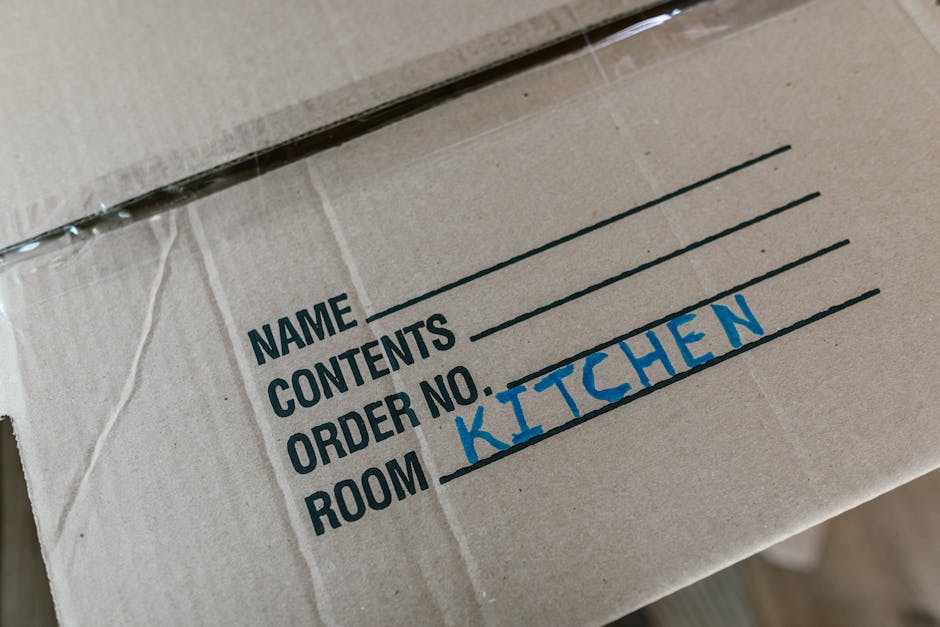
Pack one room at a time. Label each box clearly with the room and a rough contents note. For example, "kitchen - glasses and mugs" is far better than "misc." You will thank yourself later, usually around 8pm when the kettle is missing.
5. Create an essentials bag
Keep a separate bag or box with the things you need immediately: ID, bank cards, keys, phone charger, snacks, toilet roll, medication, basic cleaning supplies, and one change of clothes. It sounds basic because it is basic. And yet this is the box people forget most often.
6. Confirm access at both ends
Check whether the van can park close enough, whether any permits are required, and whether a lift is available and booked if needed. If you live on a road with tight parking or shared entrances, that detail can shape the whole move.
7. Moving day handover
Be ready before the team arrives. Moveable items should be packed, pathways cleared, and pets safely managed. If possible, keep one person responsible for answering questions and directing furniture. Too many instructions from too many people can get messy, fast.
8. Check the new property first
Before anything is unloaded, make a quick walk-through. Check for immediate issues, room access, and where the heavier pieces should go. It is much easier to plan the sofa position before it has been carried up two flights of stairs.
Expert Tips for Better Results
After a lot of moves, some patterns become obvious. The smoothest first-time moves are almost always the ones where the mover has taken the small stuff seriously.
- Book earlier than you think you need to. The best moving slots disappear quickly, especially around month-end and weekends.
- Measure doorways and larger furniture. It saves awkward surprises and one very painful moment on a staircase.
- Use colour coding if you can. Even a few coloured stickers on boxes speeds up unloading.
- Keep screws and fixings with the item. Put them in a sealed bag and tape it to the furniture or label it clearly.
- Photograph cable setups before disconnecting. This is a tiny habit with huge payoff later.
- Protect fragile items properly. Towels, clothing, and paper can help, but don't rely on wishful thinking.
One practical tip that often gets overlooked: keep the first-night box in the car with you, not buried at the back of the van. That one box can save a lot of frustration when you arrive tired, hungry, and not remotely in the mood for a treasure hunt.
If the move is bigger than you expected, it can be worth comparing removal services with a more flexible man with a van option. The cheapest option is not always the cheapest if it takes longer, risks damage, or leaves you doing extra labour. A little judgement goes a long way here.
Common Mistakes to Avoid
First-time movers make the same handful of mistakes again and again. The good news is that most of them are avoidable.
- Leaving packing too late. That is the classic one. It always feels harmless until the final 24 hours.
- Underestimating box weight. Books and documents can make a box unexpectedly heavy. Your back notices before your brain does.
- Not labelling boxes clearly. If every box says "stuff," unpacking becomes guesswork.
- Forgetting access details. A lift booked for the wrong time or an unconfirmed parking spot can slow everything down.
- Moving unnecessary items. Shifting clutter only moves the problem from one home to the next.
- Assuming friends will be enough. Friends are brilliant. They are also not always the right team for a heavy or time-sensitive move.
Another quiet mistake is not reading the terms of the moving service properly. That can matter for timing, waiting charges, exclusions, or what happens if plans change. It is not glamorous reading, granted, but it helps avoid confusion later. If you want to understand the service expectations more clearly, it is worth reviewing the terms and conditions before booking.
And just to say it plainly: if your move involves narrow staircases, old furniture, or awkward access, do not pretend it is all fine when it clearly is not. That is how little problems become big ones.
Tools, Resources and Recommendations
You do not need a mountain of kit to move well. A small set of practical tools usually does the job.
- Sturdy boxes: mixed sizes are best, with smaller boxes for heavy items.
- Packing tape: use proper tape, not the kind that gives up halfway through a seam.
- Permanent marker: for labelling contents and destination rooms.
- Bubble wrap or soft packing material: useful for glasses, lamps, and ornaments.
- Blankets and covers: helpful for furniture protection.
- Zip bags: ideal for screws, fittings, and small accessories.
- Phone notes or a spreadsheet: perfect for inventory and move-day reminders.
For bigger or more awkward loads, a removal truck hire or a larger moving truck may be more appropriate. For people trying to keep costs lean, a smaller vehicle can make sense if the load is genuinely light.
If you are sorting out a move in stages, storage can also be useful. That is especially true when your move-out and move-in dates do not line up neatly, which, annoyingly, happens more often than you would expect.
On the trust side, it is sensible to choose a provider that is transparent about service scope and payment handling. You may also want to understand how payment is processed and what security measures are used. Those details should feel clear, not vague. If they feel vague, ask questions.
Law, Compliance, Standards, or Best Practice
For a first-time mover, compliance usually means being careful about practical legal and safety responsibilities rather than memorising technical rules. In everyday terms, that means checking access permissions, avoiding unsafe lifting, confirming parking arrangements, and understanding your agreement with the removals provider.
In the UK, it is sensible to expect any removal company or mover to take care over safe lifting, handling, and transport. That includes basic precautions for heavy furniture, floor protection where needed, and sensible loading practices. You do not need to become an expert in logistics, but you should expect a professional approach to safety.
It is also wise to think about insurance and the limits of responsibility for damage or loss. Not every move needs complexity, but every move should have clarity. If you are unsure what is covered, ask before moving day rather than after a problem appears. That one question can save a lot of hassle.
From a best-practice perspective, good removals work usually includes:
- clear written or confirmed booking details
- transparent service scope
- appropriate handling of fragile or bulky items
- realistic timing assumptions
- respect for access restrictions, neighbours, and shared spaces
For larger homes or business relocations, the standards become even more important. A structured approach is expected, whether you are dealing with office removals or wider commercial moves. Different context, same principle: careful planning beats rushed guesswork.
Options, Methods, or Comparison Table
Choosing the right moving method is often the hardest part for first-time movers. Here is a simple comparison to help you think it through.
| Option | Best for | Pros | Watch-outs |
|---|---|---|---|
| Man and van | Small flats, a few rooms, light furniture | Flexible, often straightforward, good for tighter budgets | May not suit larger or more fragile moves |
| Removal van | Moderate loads and local moves | Useful balance of space and simplicity | Needs careful packing and timing |
| Full removals service | House moves, complex loads, tight schedules | More support, better coordination, less lifting for you | Typically costs more than a basic van option |
| Storage plus move | Delayed completions or temporary gaps | Reduces pressure if dates do not match | Requires extra planning and may add cost |
There is no single "best" option for everyone. A first-time mover with a one-bedroom flat and minimal furniture may do perfectly well with a smaller van-based service. A mover with a sofa, bed, desk, wardrobe, and half a kitchen? That is a different story. Bigger job, bigger planning.
Case Study or Real-World Example
A typical first-time move near Queenstown Road might look like this. A young professional is leaving a rented flat after two years, moving a short distance across southwest London. The load includes a bed frame, mattress, desk, small sofa, kitchen boxes, and a few fragile items. Nothing enormous, but enough to become awkward if handled badly.
At first, they think two friends and a few car journeys will do the job. Then they measure the staircase, notice the building access window, and realise the sofa will be a pain to carry without proper protection. They switch to a van-based removals plan, pack room by room, and set an essentials bag aside for the first night.
On moving day, the team arrives with a clearer plan. The boxes are labelled, the lift is booked, and the loading route is already known. The move takes less emotional energy than expected. Not easy, exactly. But manageable. And that is the point.
The biggest difference was not the van size. It was the preparation. The mover did not suddenly become a logistics expert overnight; they just stopped improvising. Which, honestly, is a win.
Practical Checklist
Use this checklist in the week before moving day.
- Confirm moving date and arrival time
- Check access at both addresses
- Measure large furniture and doorways
- Pack non-essential items first
- Label boxes by room and contents
- Keep fragile items protected and separate
- Prepare an essentials bag for the first night
- Set aside keys, ID, and important documents
- Dispose of items you do not want to move
- Arrange parking or access information if needed
- Protect floors and corners if the property needs it
- Review booking details, pricing, and service expectations
- Plan refreshment, because yes, moving day is thirsty work
If you want to compare options before booking, take a look at pricing and quotes so you can understand what level of service suits your move. That kind of clarity makes first-time moving feel much less overwhelming.
Conclusion
A first move on Queenstown Road SW11 does not have to be chaotic. With a bit of structure, sensible packing, and the right moving format, it becomes a lot more manageable than it first appears. The main job is to reduce uncertainty: know what is being moved, where it is going, who is helping, and what the access conditions look like.
That is really the heart of this Queenstown Road SW11 removals guide for first time movers. Not perfection. Just calm, practical preparation. If you keep your essentials separate, plan for access, and choose the right support for the size of your move, you are already ahead of most first-time movers.
Get a free quote today and see how much you can save.
And if you are still a bit unsure, that is completely normal. Moving for the first time is a lot. Take it one box at a time, and the rest tends to fall into place.
Frequently Asked Questions
What should first-time movers on Queenstown Road SW11 prepare first?
Start with access details, then packing priorities, then your essentials bag. If you know when the move happens, where the van can park, and which items must travel last, everything else becomes easier.
Is a man and van service enough for a first flat move?
Often, yes, if the move is small and the furniture load is light. A man and van option can work well for studios, one-bedroom flats, or short local moves.
How far in advance should I book removals?
As early as possible, especially if you are moving at month-end, on a weekend, or during a busy London period. Good timings go fast. That is just the truth of it.
What if my building has stairs and no lift?
Tell the removals provider in advance. Stairs affect time, labour, and what equipment is needed. It is better to mention it early than to have a surprise on moving day.
Should I pack everything myself?
Not necessarily. Many people pack their own non-fragile items and get help with heavier, delicate, or time-consuming belongings. If you want more support, packing and unpacking services can save a lot of stress.
How can I avoid damaging furniture during the move?
Use proper packing materials, remove loose parts, protect corners, and do not overload boxes. For larger items, ask for help rather than trying to carry everything yourself. One awkward lift can spoil a whole day.
What is the best option for moving a few bulky items?
If you only have a few large pieces, a van-based service is often enough. In some cases, furniture removals is the cleaner choice, especially for awkward or heavy items.
Do I need storage if my dates do not line up?
Possibly. If there is a gap between leaving one property and getting the keys to the next, storage can help avoid rushed decisions and temporary clutter.
What should go in my essentials bag?
Keep documents, keys, chargers, medication, toiletries, toilet roll, basic snacks, a change of clothes, and anything you will need on the first night. It sounds unglamorous. It is also incredibly useful.
How do I know whether a full removals service is worth it?
If you have multiple rooms, large furniture, tight timings, or awkward access, a fuller service is often worth the extra cost because it reduces risk and saves labour.
Are there special considerations for flats near Queenstown Road?
Yes. Parking, loading space, lift timing, stair access, and neighbour considerations can all affect the move. Flats often look simple until the furniture has to come out of them.
What should I check before I agree to a booking?
Check the service scope, timing, access assumptions, payment process, and any terms that affect waiting, delays, or cancellations. If anything feels unclear, ask before confirming.