Lavender Hill flat removals tips for narrow staircases
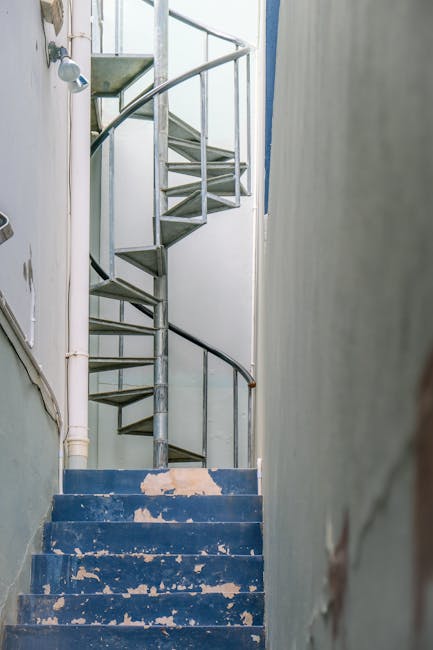
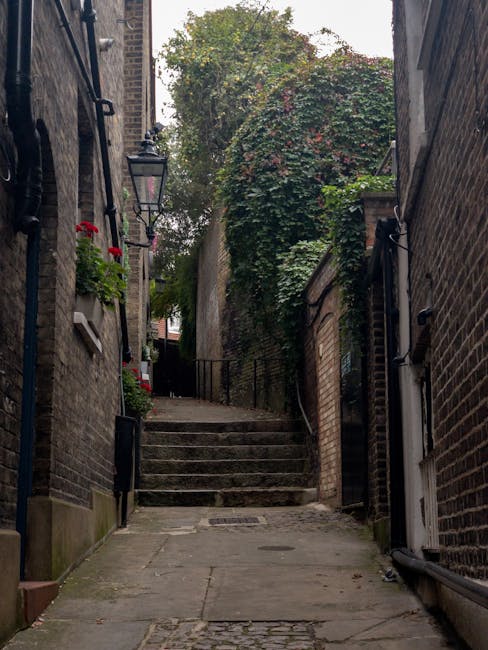
If you are moving out of a Lavender Hill flat, and the staircase feels more like a squeeze than a walkway, you are not alone. Victorian conversions, maisonettes, and older period blocks around this part of Battersea often come with tight turns, low ceilings, narrow landings, and that awkward "how on earth is that sofa getting down there?" moment. The good news is that Lavender Hill flat removals tips for narrow staircases are not about brute force. They are about planning, measurement, patience, and a few clever techniques that make the whole job safer and calmer.
This guide walks you through exactly how to handle stairwells that barely seem built for a person, let alone a bed frame, wardrobe, or fridge. You will find practical steps, common mistakes, local moving realities, and a few expert habits that can save time and nerves. And yes, there is a way to do this without turning moving day into a small disaster.
Why Lavender Hill flat removals tips for narrow staircases Matters
Narrow staircases change everything. In a standard house move, you can often rely on straight-line carrying, quick turns, and a decent amount of manoeuvring room. In a Lavender Hill flat, that may disappear fast. One rail. One landing. A sharp bend. A bannister that takes up just enough extra space to cause trouble. It only takes one bulky item to slow the whole job down.
That matters for three simple reasons. First, the risk of damage rises. A scuffed wall, chipped banister, or torn upholstery can happen in seconds. Second, the risk of injury rises too, especially if items are carried awkwardly or rushed. Third, time costs more than people expect. What looks like a quick two-person carry can become a careful, stop-start operation. To be fair, that is just the reality of older London staircases.
Lavender Hill itself has a mix of property types, and many flats in the wider Battersea area were never designed around today's furniture sizes. Flat-pack has helped a bit, sure, but modern wardrobes and sofas can still be stubborn. That is why planning for access is not optional; it is the move.
If you are comparing moving support, you may also want to look at flat removals in Battersea and broader removal services in Battersea so you can match the job to the property, not the other way around.
How Lavender Hill flat removals tips for narrow staircases Works
The process works by reducing risk before the first box is lifted. That is really the core idea. Instead of discovering problems halfway down the stairs, you identify them early and plan around them. The staircase dimensions, landing space, item sizes, and route from flat to vehicle should all be checked in advance.
In practice, the move usually follows a simple pattern:
- Measure the staircase and the largest items. Width, height, turn points, and bannister clearance all matter.
- Decide what can go down in one piece. Some items should be dismantled before the move even starts.
- Protect the property. Walls, corners, floors, and railings should be covered or padded where needed.
- Assign the carrying order. Heavy items should not be left until the end when everyone is tired.
- Move with spotters and clear communication. One person leads, another steadies, another watches corners and ceilings.
This is where a practical local mover can make a huge difference. A crew used to London flats will usually understand how to angle items, pause at a landing, and keep everyone out of each other's way. The difference between a smooth carry and a stressful one is often just a few inches and a decent plan. Sounds dramatic, but it really is that small.
Key Benefits and Practical Advantages
Planning properly for narrow staircases is not just about avoiding trouble. It gives you some real advantages that are easy to overlook when you are busy packing tape and wondering where all your cables went.
- Less damage to the property. Careful handling means fewer scrapes on walls, paintwork, and stair rails.
- Safer lifting. Better routes and lighter loads reduce the chance of slips, twists, and strained backs.
- Faster loading and unloading. Once the route is worked out, items move with fewer stops and fewer awkward reversals.
- Better furniture survival. Sofas, tables, and mirrors are less likely to get trapped, bent, or scratched.
- Lower stress on moving day. And let's face it, that alone is worth something.
There is another benefit too: better decision-making. Once you know the staircase is tricky, you can decide whether to dismantle furniture, use extra labour, schedule more time, or arrange storage for items that simply are not worth forcing through. If you need a temporary holding solution, storage in Battersea can be useful when a staircase move gets too tight or the timing between properties does not line up neatly.
Who This Is For and When It Makes Sense
This advice is for anyone moving from a flat where the access is tight, especially if the building has older staircases, shared entrances, or awkward turns. That includes first-time renters, long-term residents, students, professionals upgrading homes, and anyone shifting from a furnished flat to a larger place across London.
It makes sense in situations like these:
- You live above ground floor and the staircase is narrow or steep.
- Your furniture includes a large sofa, mattress, wardrobe, piano, or glass table.
- You have limited help and need a structured plan.
- The property has a small hallway, tight front door, or shared stairwell.
- You need the move done in one day, without damaging walls or delaying neighbours.
It is also especially relevant if you are already under pressure. A move from a Lavender Hill flat can be tricky enough without adding last-minute packing, parking worries, or a landlord waiting for keys. If your move is time-sensitive, the right support matters. Some people choose a man with van Battersea setup for lighter loads, while others need a fuller team for furniture and stair access. There is no single perfect answer, which is annoyingly human but true.
For more context on local moving needs, it can help to read about removal companies in Battersea and the wider services overview so you can match the solution to the scale of your move.
Step-by-Step Guidance
Here is the most practical way to approach a narrow-staircase flat removal without overcomplicating it.
1. Measure the route before packing too much
Measure stair width, landing depth, ceiling height, and any tight corners. Also check the dimensions of the front door, internal doors, and any hallway pinch points. A tape measure and a phone camera are enough. If the route looks borderline, it probably is. You do not want to discover that on moving morning, when everyone's already half awake.
2. Identify the awkward items early
Go room by room and flag anything large, heavy, delicate, or oddly shaped. Common offenders are wardrobes, mattress bases, desks with fixed legs, sofas with wide arms, mirrors, and appliances. A piano is a separate conversation entirely. If that is on your list, specialist handling such as piano removals Battersea is the safer route.
3. Dismantle what you can
Flat-pack furniture often comes apart more cleanly than people expect. Remove legs, shelves, doors, handles, and any loose fittings. Bag the screws and label the bag clearly. Small detail, big payoff. When you are standing in a new flat with three Allen keys and no clue which goes where, you will thank yourself.
4. Pack for shape, not just for volume
Boxes that are too wide or overfilled become awkward on stairs. Use smaller, sturdier boxes for books and heavier items. Keep lighter items in medium boxes and avoid overloaded large boxes unless you want an immediate grip test. Soft items can be used as padding, but do not rely on them to protect fragile corners entirely.
5. Protect the staircase and the item
Use blankets, corner protectors, and floor coverings where needed. If you have ever watched a wardrobe scrape against a fresh wall, you know the sound. That awful little grind. Protection is cheaper than repair, always.
6. Assign one person to lead and one to spot
On narrow stairs, communication beats strength. One person should call the turns and pauses. Another should watch for walls, banisters, light fittings, and people coming the other way. If the item blocks the view, stop and reset. No heroics. None.
7. Carry in the right sequence
Move the most awkward pieces at the time of day when everyone is still alert, usually earlier rather than later. Keep hallways clear. Put boxes into the van in a way that allows the heaviest and most stable items to go in first. If your move needs a smaller vehicle because of access or parking, a removal van Battersea option may be the most practical fit.
8. Pause before every turn
The trickiest part is rarely the straight stair flight. It is the turn. Pause, tilt, test the angle, then continue. If you rush the bend, the furniture usually wins. And furniture, frustratingly, has no sense of urgency.
Expert Tips for Better Results
A few small habits can make a narrow staircase move much easier. These are the things people often skip because they seem minor, but then the whole job gets harder by lunchtime.
- Use gloves with grip. They help on polished bannisters and heavier boxes.
- Take doors off hinges if needed. Sometimes one centimetre is the difference between a clean carry and a stuck sofa.
- Keep tea, bins, and loose clutter away from the route. The unexpected trip hazard is usually something silly.
- Wrap sharp or fragile edges first. Corners chip before anything else.
- Measure twice, then measure the item again. People often measure the widest visible point and forget handles or feet.
- Plan around neighbours. In a shared block, a quick heads-up can prevent awkward passing on the stairs.
One practical tip that sounds almost too simple: photograph the stairwell before the move. It helps the team visualise the turning points, low ceilings, and places where the bannister eats into space. It also makes it much easier to judge whether a piece should be carried vertically, horizontally, or not at all.
On a related note, if you are comparing moving costs, it is sensible to review pricing and quotes before you book. Narrow staircases often need a more tailored estimate than a standard flat move, because access affects time and labour.
Common Mistakes to Avoid
Most staircase problems come from one of a handful of avoidable mistakes. Once you know them, they are easy enough to sidestep.
- Skipping measurements. Guessing is a bad strategy when the landing is barely wider than the sofa arm.
- Leaving dismantling too late. If a bed frame has to come apart, do it before the crew arrives.
- Overpacking boxes. Heavy boxes on narrow stairs are miserable and risky.
- Ignoring access outside the building. Parking and loading distance matter too, not just the staircase.
- Trying to force a large item round a corner. Usually a sign to stop, reset, and re-angle.
- Underestimating fatigue. By the third trip, people get slower and less careful. That is normal.
Another common error is assuming that every removal team will handle narrow staircases the same way. They will not. Some are brilliant at it; some are fine but less experienced with tight London access. It is worth asking how they approach stairs, who brings protective equipment, and whether they have handled similar flat moves nearby.
If you want a fuller view of what a local moving team can cover, have a look at removals Battersea and man and van Battersea options to see how different service levels fit different property layouts.
Tools, Resources and Recommendations
You do not need a warehouse of equipment, but a few basics make narrow-staircase moves far safer and neater.
- Tape measure: for stair width, item size, and awkward corners.
- Furniture blankets: to protect items and skimmed walls.
- Straps or webbing: to steady larger pieces when carrying.
- Bubble wrap and corner protectors: for mirrors, frames, and tabletops.
- Marker pens and labels: to keep dismantled parts and boxes organised.
- Work gloves: for grip and hand protection.
- Mattress covers and sofa covers: useful in rainy weather, which, well, is London.
For packing support, a proper packing and boxes Battersea service can save you a lot of back-and-forth. If you are moving a home with lots of furniture and want someone who deals with that every week, furniture removals Battersea may be the more relevant fit.
If you are trying to keep the move efficient and not overspend, it also helps to check competitive prices. The right price is not always the lowest one; it is the one that reflects the access challenge honestly.
Law, Compliance, Standards, or Best Practice
For most domestic flat removals, the key compliance concerns are practical rather than complicated. You are mainly thinking about safe lifting, property access, parking, insurance, and respectful conduct in shared buildings. That said, good movers usually work to clear internal safety procedures and use sensible manual handling practices. In plain English: they lift carefully, communicate clearly, and avoid taking unnecessary risks.
Best practice in this kind of move usually includes:
- Using enough people for heavy or awkward items.
- Keeping stairways as clear as possible.
- Protecting shared areas from damage.
- Checking insurance cover before moving day.
- Managing loads so nobody has to twist, rush, or carry beyond their limits.
If you are in a managed block, it is wise to check any building rules about lift bookings, loading bays, or moving times. Some blocks are relaxed, others are more particular. That is just part of London living, really. For trust and service expectations, it can also be reassuring to review the company's insurance and safety information and its health and safety policy.
Accessibility is another practical consideration. Narrow stairs are hard work for everyone, but they can be especially difficult for anyone with mobility issues, limited lifting capacity, or items that cannot be carried safely by hand. If that is relevant, plan conservatively and leave extra time.
Options, Methods, or Comparison Table
There are a few different ways to approach a Lavender Hill flat move. The right one depends on furniture size, staircase width, budget, and how much help you have.
| Method | Best for | Strengths | Limitations |
|---|---|---|---|
| DIY with friends | Small flats, lighter furniture, low budgets | Lower cost, flexible timing | Higher risk on narrow stairs, less experience, more chance of damage |
| Man and van | Medium-sized flat moves with limited furniture | Good value, practical for local jobs | May be tight for large items unless well planned |
| Full removal team | Heavier loads, awkward access, fragile furniture | More hands, better handling, easier on moving day | Typically more expensive than a smaller setup |
| Hybrid move with storage | When access is tight or the dates do not line up | Reduces pressure, can stage the move | Extra planning and possible storage cost |
In many Lavender Hill cases, a hybrid approach makes the most sense. Maybe the bed and sofa go in one move, while the larger cabinet goes into storage first. Maybe the whole job is split over two trips. It depends on the staircase, not just the postcode. If the move is time-sensitive, a same day removals Battersea service can be useful, but only if access has been checked properly beforehand.
Case Study or Real-World Example
Here is a realistic example from the kind of situation people run into all the time around Lavender Hill. A tenant in a second-floor flat had a two-seater sofa, a bed frame, a wardrobe, and several boxes of books. The staircase was narrow, had a turn halfway up, and the landing was tight enough that two adults could not pass each other easily.
The first plan was to try the sofa upright. It looked possible, sort of. But after measuring the corner and checking the bannister, it was obvious that the arms would catch. So the crew changed the order, dismantled the bed frame first, removed the wardrobe doors, and shifted the sofa only after the landing was cleared. The sofa went down at an angle, with one person guiding from below and another steadying from above.
Nothing dramatic happened, which is exactly what you want. No wall damage. No scraped wood. No angry words echoing down the stairwell at 8:15 in the morning. Just a careful, slightly sweaty, sensible removal. The lesson was simple: the move became easier the moment the team stopped trying to save five minutes and started protecting the route.
That is usually how these jobs go. Not flashy. Just well managed.
Practical Checklist
Use this checklist before moving day. It will save you a lot of backtracking.
- Measure the staircase, landings, doors, and hallway pinch points.
- Measure your largest furniture pieces, including handles and feet.
- Decide what must be dismantled in advance.
- Label screws, bolts, and fitting bags clearly.
- Pack books and heavy items into smaller boxes.
- Wrap fragile edges and corners before loading.
- Protect walls, floors, and bannisters where needed.
- Keep the stair route clear of clutter, shoes, coats, and bags.
- Check parking and loading access outside the building.
- Tell neighbours or building management if the move may block shared access.
- Have a plan for items that do not fit safely.
- Keep water, tape, tools, and a marker to hand.
Expert summary: the safest narrow-staircase move is the one that is planned around the staircase, not the furniture. If something looks awkward, it usually is. Slow down, re-angle, and protect the building first. The rest tends to follow.
For readers comparing support levels, it can also help to review man and a van Battersea and house removals Battersea options so you can choose the right scale of help for the property.
Get a free quote today and see how much you can save.
Conclusion
Narrow staircases are not a reason to panic. They are a reason to plan properly. Once you know the route, measure the awkward pieces, and choose the right moving support, a Lavender Hill flat move becomes much more manageable. The key is not speed for its own sake. It is calm, careful progress.
Most of the stress disappears when you stop treating the stairs like an obstacle and start treating them like part of the job design. That shift in mindset makes a real difference. A bit of preparation, a bit of patience, and the right hands on the day can turn a tight move into a smooth one. And when it is done, you will feel that lovely, ordinary relief of standing in an empty flat, hearing your footsteps echo a little, and knowing it all came together just fine.
Frequently Asked Questions
What is the best way to move furniture down a narrow staircase?
The best approach is to measure first, dismantle large pieces where possible, protect the walls and banister, and use at least two people for awkward items. Slow, controlled movement beats speed every time.
Can a sofa usually fit down a Lavender Hill staircase?
Sometimes, but not always. It depends on the sofa's width, height, arm shape, and the staircase turns. Measuring the furniture and the route is the only reliable way to know before moving day.
Should I dismantle my bed before a flat removal?
Yes, if the frame can come apart safely. Bed frames are one of the easiest items to dismantle and usually much easier to carry once separated into smaller parts.
What if my wardrobe will not fit round the corner?
If it does not clear the turn even after careful angling, dismantling may be necessary. If the wardrobe cannot be dismantled safely, a removal team may recommend a different route, a different method, or temporary storage.
Is a man and van service enough for narrow staircases?
It can be, if the move is small and the furniture is manageable. For heavier loads or very tight access, a larger team may be safer and more efficient. The staircase matters more than the job title.
How do I protect the walls on a narrow staircase?
Use furniture blankets, corner protectors, and floor coverings where needed. The aim is to create a buffer between the item and the property so small mistakes do not become costly repairs.
What should I tell a removal company before the move?
Give them the staircase width, landing shape, any tight turns, the largest furniture dimensions, parking restrictions, and whether anything needs dismantling. The more accurate the information, the better the plan.
Do narrow staircases make removals more expensive?
They can, because they often take more time, labour, and care. That said, the exact cost depends on how difficult the access is, how much furniture you have, and whether special handling or storage is needed.
What is the safest way to carry heavy items on stairs?
Use enough people, keep the load balanced, communicate clearly, and stop at each turn if needed. If an item feels unstable or too heavy, do not force it. Reassess the route or break it down first.
Can I move on the same day if the staircase is very tight?
Yes, but only if the move is planned properly and the access has already been checked. Tight stairs increase the chance of delays, so a same-day job should be realistic about what can actually be carried safely.
Do I need storage if my flat has a narrow staircase?
Not always. Storage becomes useful if items are too large for the route, if you are moving in stages, or if the timing between properties does not line up cleanly. It is a practical option, not a default requirement.
How far in advance should I plan a narrow staircase move?
As early as you can, ideally once you know your moving date. Even a few extra days help with measuring, dismantling, packing, and confirming the right service level. A bit of lead time goes a long way.